Planeta Océano centers its efforts in three main inter-related pillars of action: research, environmental education and sustainable development of coastal communities.
Over 70% of our planet is made up of ocean. Every person and living being in the world depends on our oceans. Thus, we actively involve local people and promote inter-institutional collaboration in each of our activities – including designing, implementing, and evaluating projects.
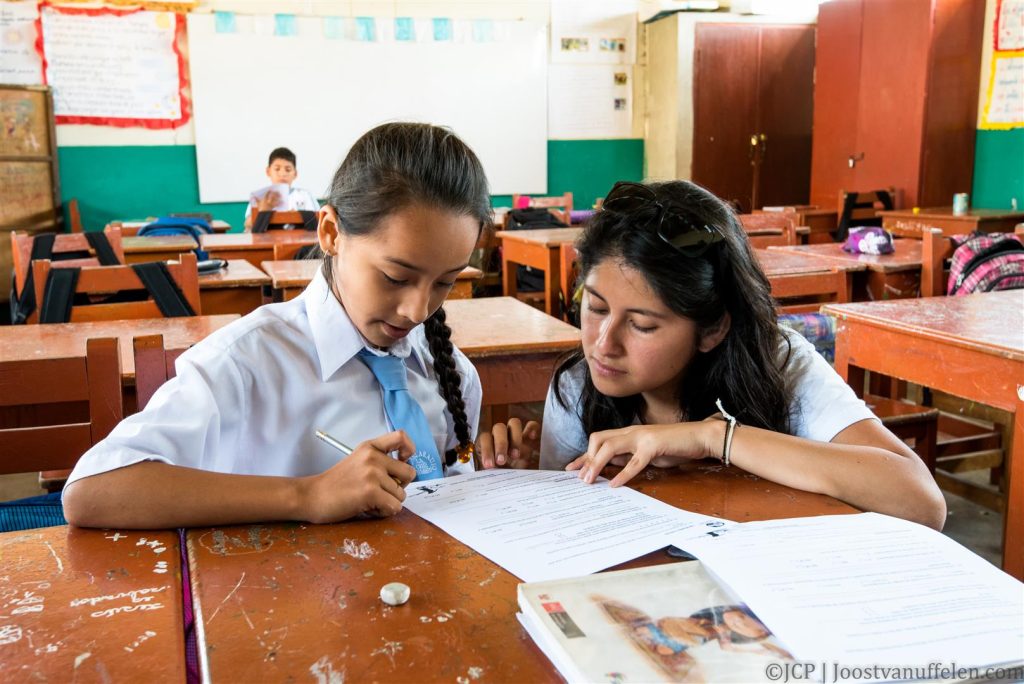
Through a unique model for stakeholder and community engagement, we forge links between community members, public and private organizations to ensure a comprehensive, community-based approach to conserve coastal and marine environments and species. We also work throughout the nation’s schools to educate youth on environmental issues and empower the next generation of marine stewards.
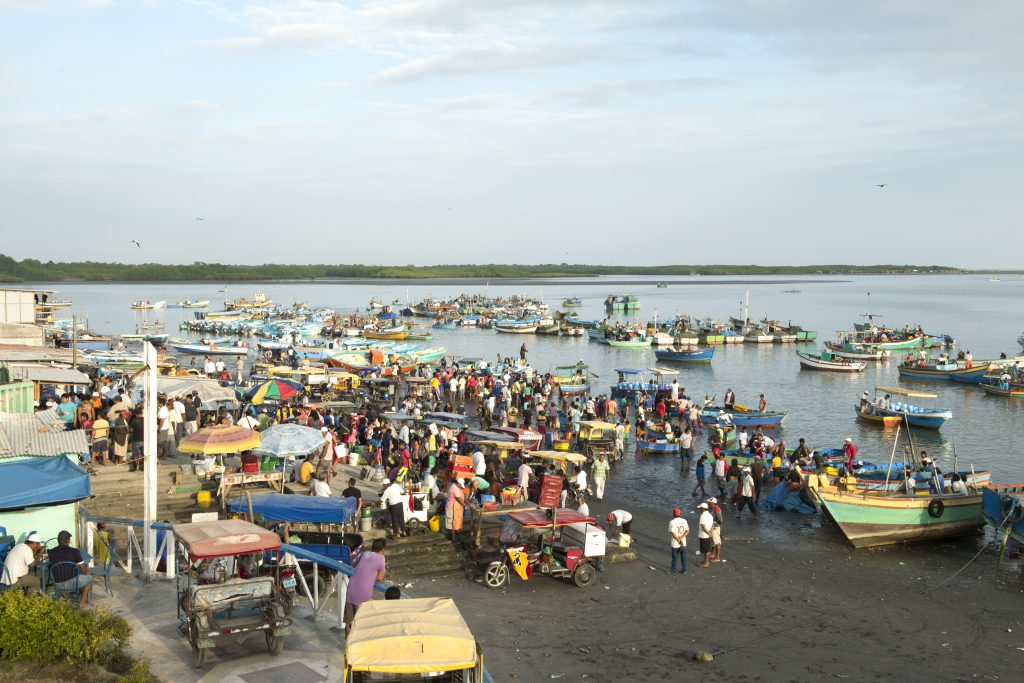
We currently work along the coasts of Peru, with special emphasis on the northern Peruvian region, an area rich in biodiversity and critical for marine conservation.
Research
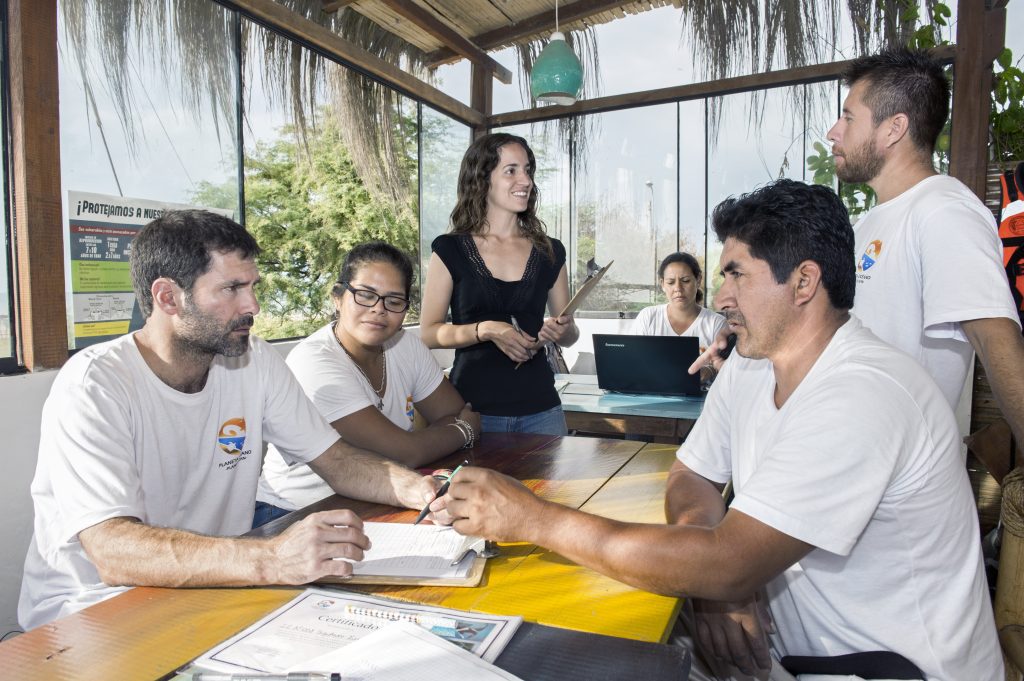
Our research began through small grassroots effort to help conserve and understand more about the sea turtle species living off Northern Peru’s shores, and it has evolved to focusing on a wide variety of marine species, particularly giant manta rays. Scientific research is an essential tool to guide adequate management and action plans. As a tool to guide marine conservation action plans, we conduct research and assessments on marine-coastal environments, marine species, and anthropogenic threats; as well as social research in local coastal communities. Volunteers, students, and local organizations frequently form part of our research team.
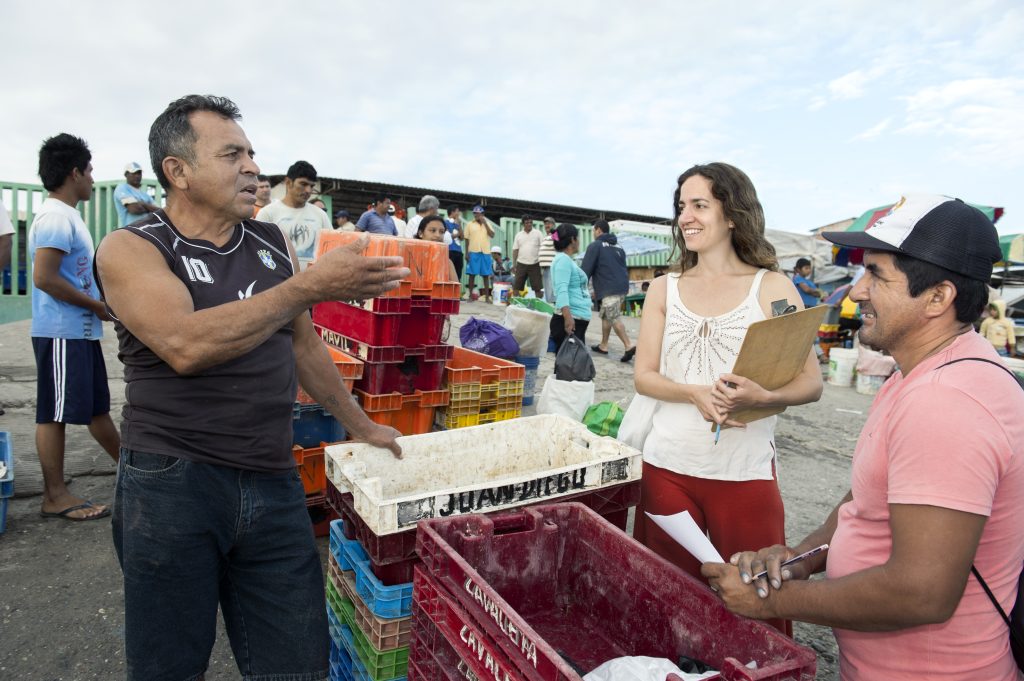
Everybody can contribute to science, anyone can be a leader, and each individual has the power to create change. From connecting with kids in schools to politicians to fisherman and tradesmen, we empower people from all walks of life to advocate for our marine environments. In schools, we promote the learning and appreciation of ocean literacy, connect students across borders, and provide tools that encourage youth leadership through programs like Connecting Schools. We’ve also worked with fishermen and leadership in coastal communities to engage in sustainable fishing practices.
Together with local communities, we advocate for sustainable development within industries that affect marine environments, and we help pioneer environmentally friendly economic drivers, like ecotourism. We also empower local community members to get involved in our work, and let their voices guide our plans of action according to their specific needs.
Our scientific findings, whether in social research or data compiled from the field, aim to inform lasting structural changes. We use science to guide and inform management strategies at the local and federal level. Some of our policy achievements are successfully advocating for the Peruvian governments 2015 resolution to ban manta ray harvesting and the 2020 resolution to ban sawfish harvesting.